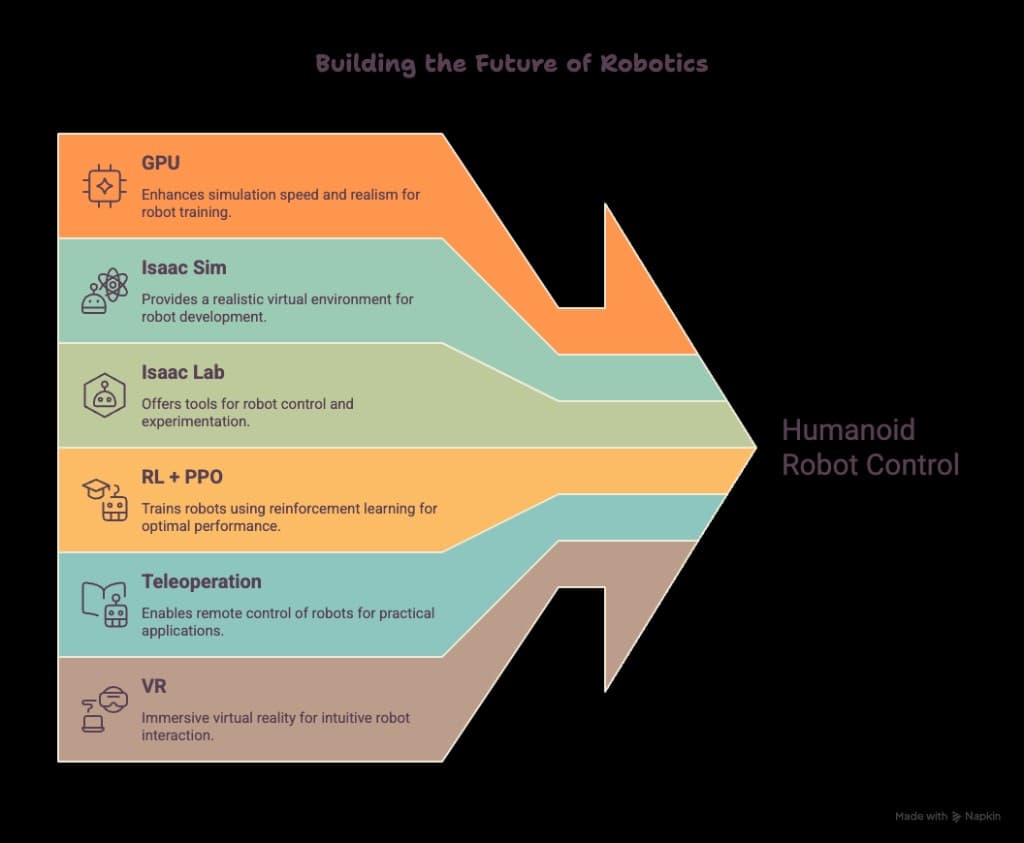
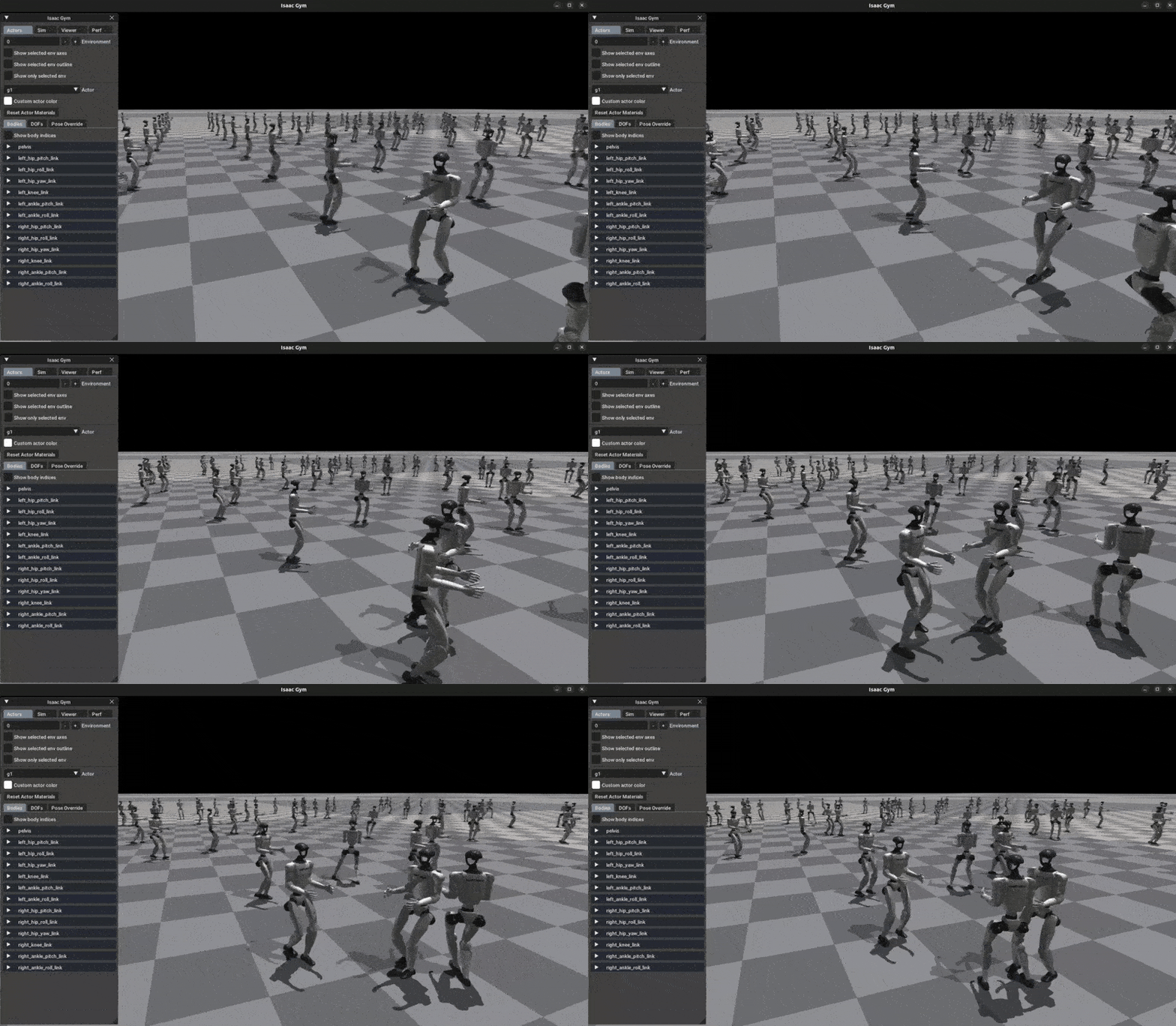
// THE ONE RULESim is the default
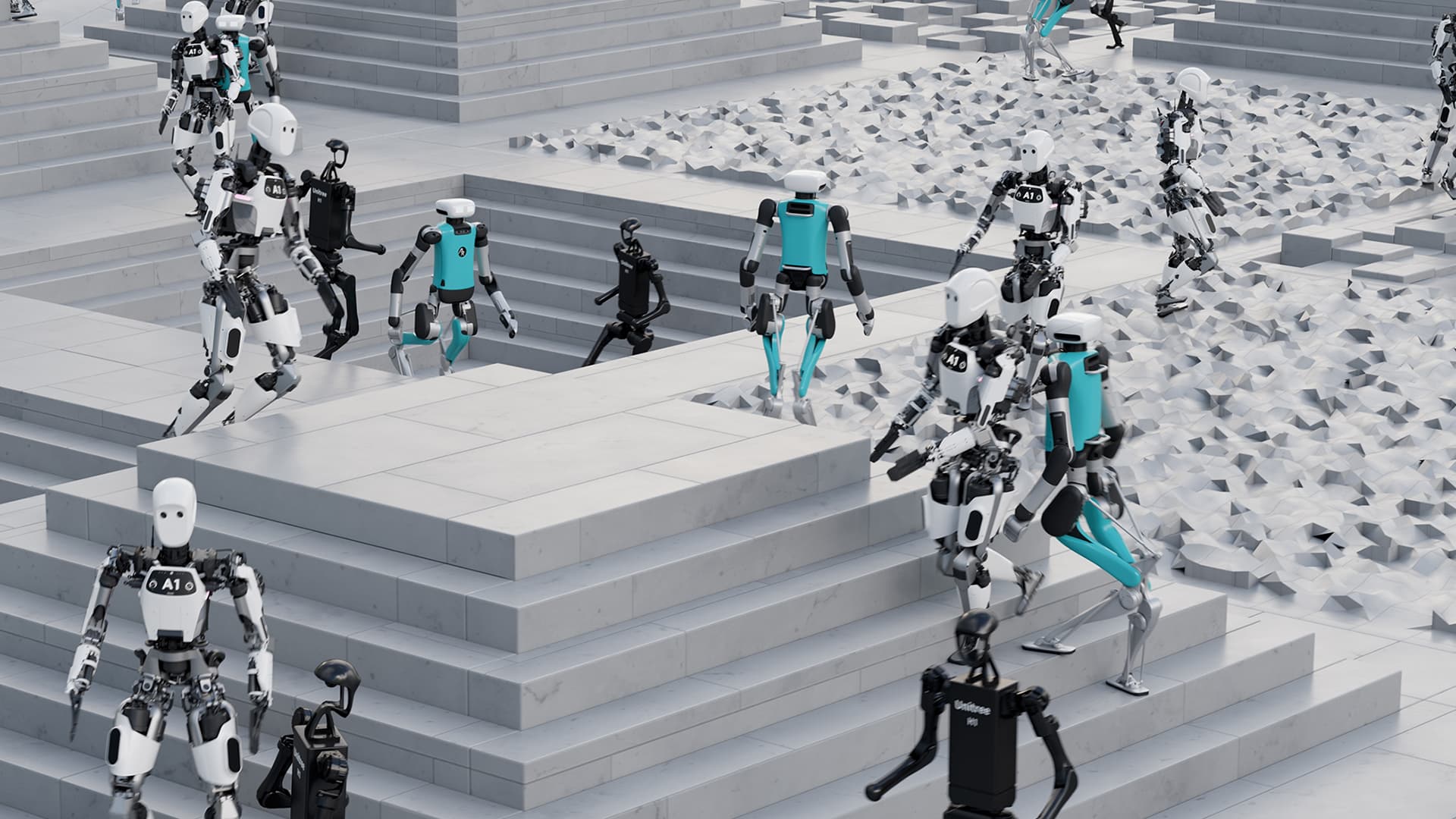
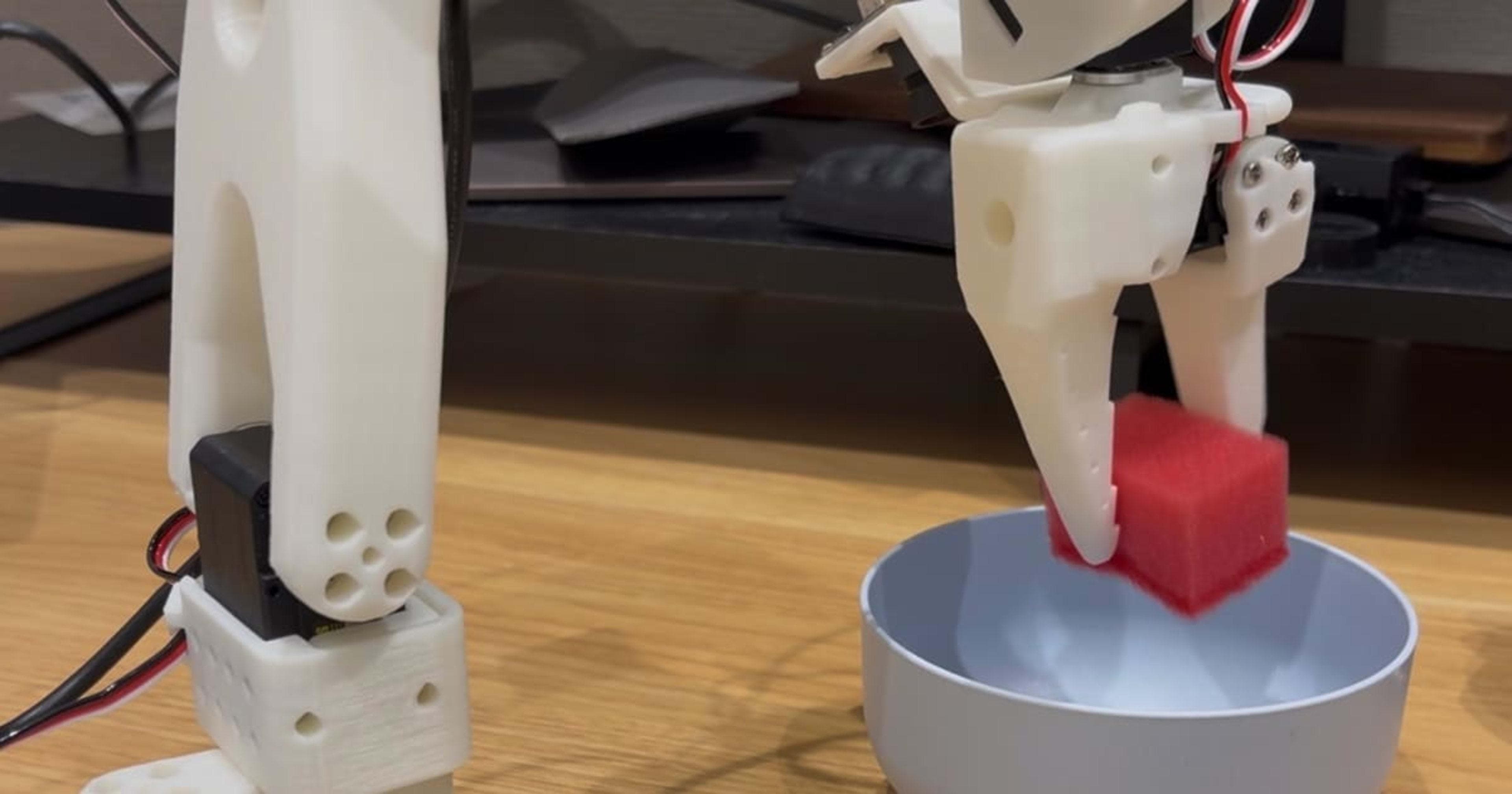
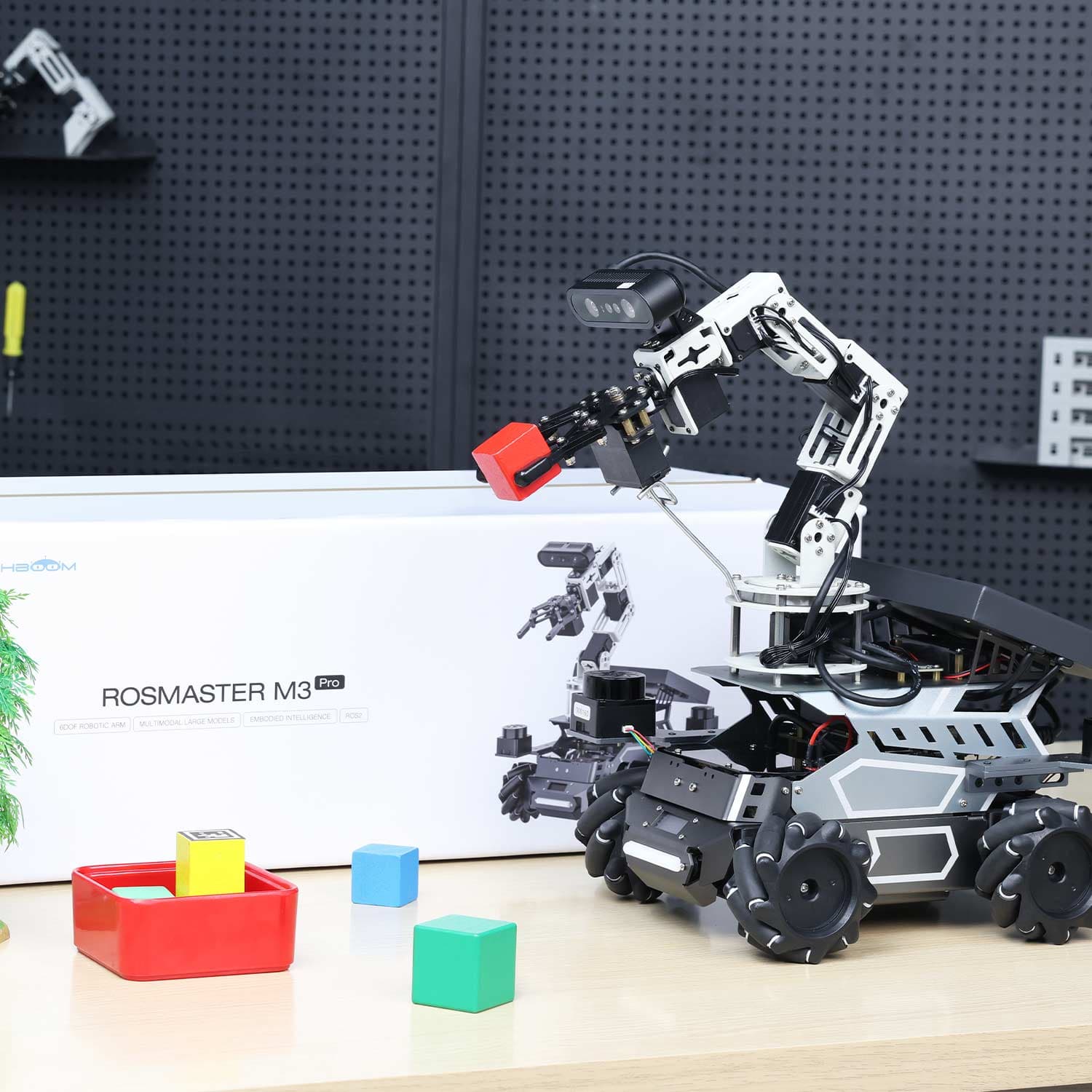
If it can run in simulation, it runs in simulation. Hardware is the exception: the SO-ARM101 we already own, and the Yahboom M3 Pro (Orin NX 16GB) that carries both edge deployment and the rover skill loop. A humanoid stays in sim. Do not fake metal.
Anyone can clone a repo and get one of these demos running over a weekend. What we are collecting across all ten is the failure data: policies that worked in sim and broke on the desk. The gap report is the thing worth keeping.
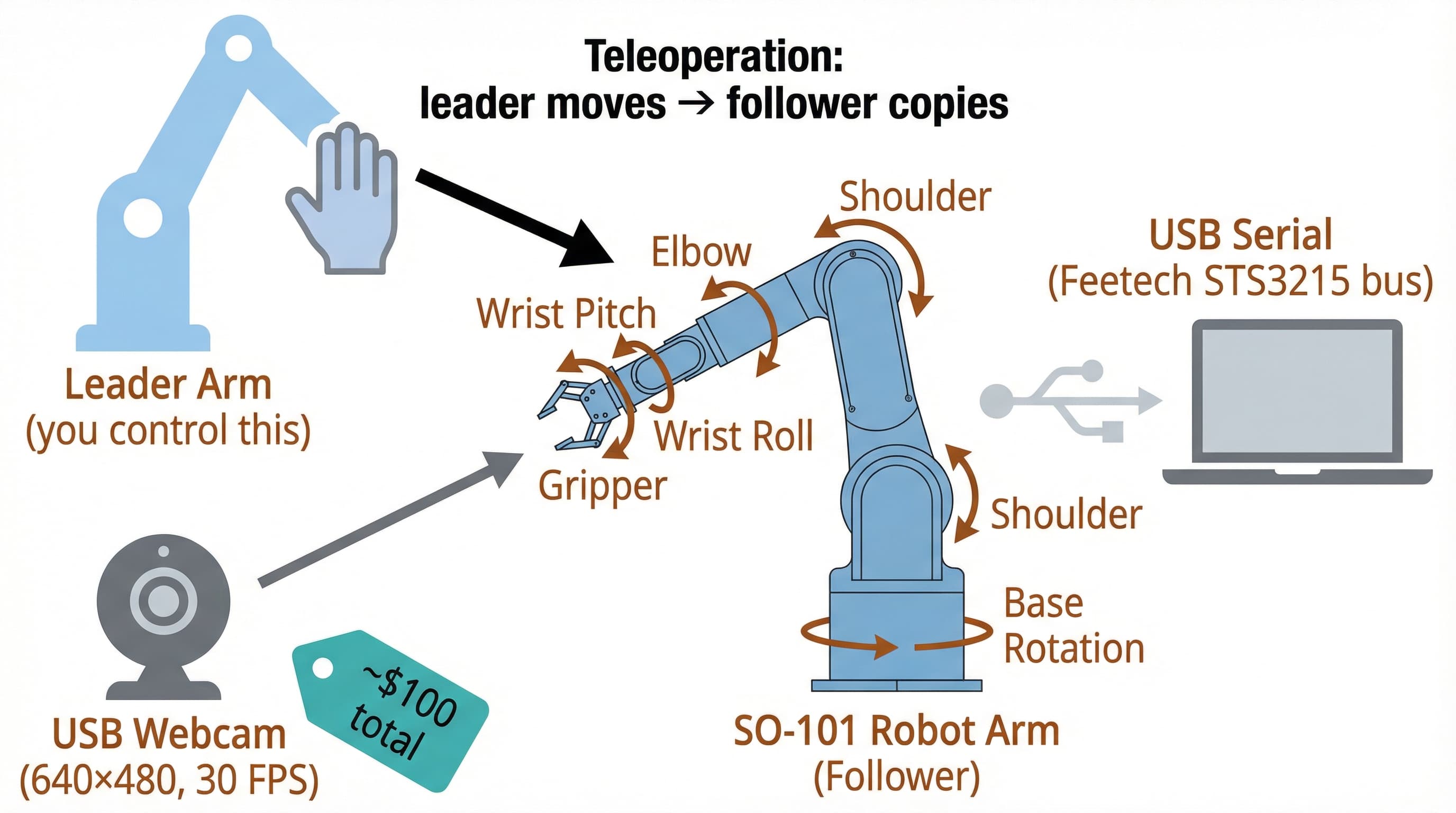
KEY CONCEPTSTeleoperation
you move the robot in real time, like puppeteering.
Whole-body control
arms, torso, and legs controlled together, the way a person moves (not each half on its own).
Retargeting
taking a human motion and mapping it onto a robot whose body is a different shape.
Imitation learning
the robot learns a task from demonstrations, not from hand-written rules.
Reinforcement learning (RL)
the robot learns by trial and error in a simulator, rewarded for getting closer to the goal.
Sim-to-real
train in simulation, then run the skill on a physical robot.
Domain randomization
randomize the simulator (masses, friction, delays) so the skill survives the messy real world.
Egocentric vision
the robot acts from its own onboard camera, not a fixed room camera.
Policy
the network that picks the next action from what the robot senses.
Diffusion Policy / ACT
two common ways to turn demonstrations into a policy.
Eval harness
shared logger across every project: task, metrics, failure type, sim-vs-real gap. An unlogged run did not happen.
VLA
vision-language-action model: images (and often language) in, robot actions out.